


Reports, methodologies, and field guides.
The frameworks we actually use on site, packaged for clients, partners, and anyone in the industry trying to deliver better work.

The only way the industry
improves is together.
Each of these is a working document we've battle-tested on a live programme. We share them because we think the practice — and the buildings the practice produces — gets better when methods are public.
All resources are free. We ask for your details so we can tell you when a new edition lands and so we can answer follow-up questions from your team.

Reports & whitepapers
Four publications, updated annually. Each runs 40–80 pages. Download links are sent within a minute of submission.
-
01
2026 Impact Report — 72 pages
Our annual third-party-audited sustainability and social-value report. Embodied carbon by sector, TRIR by region, local-hire share, apprenticeship intake, materials provenance — every number we publish, with the methodology behind it. Download (PDF, 8.4 MB) →

-
02
Embodied Carbon Methodology — 48 pages
The lifecycle-carbon framework we use on every commercial project. Module-by-module breakdown (A1–A5, B, C), assumptions, data sources, and how we set project-level targets. Used by three universities in their MSc curricula. Download (PDF, 5.1 MB) →
-
03
Design-Build Rescue: A 30-Day Audit Framework — 36 pages
How to evaluate a stalled or contested project before committing to a takeover. Schedule, contracts, payment, quality, and team — with the live questionnaires we use in week one. Download (PDF, 3.2 MB) →

-
04
Construction Cost Trends 2026 — 64 pages
Quarterly market intelligence on materials, labour, and trade availability across the UK, EU, and North America. Includes our forward-looking 18-month forecasts and risk indices for major commodities. Download (PDF, 6.8 MB) →
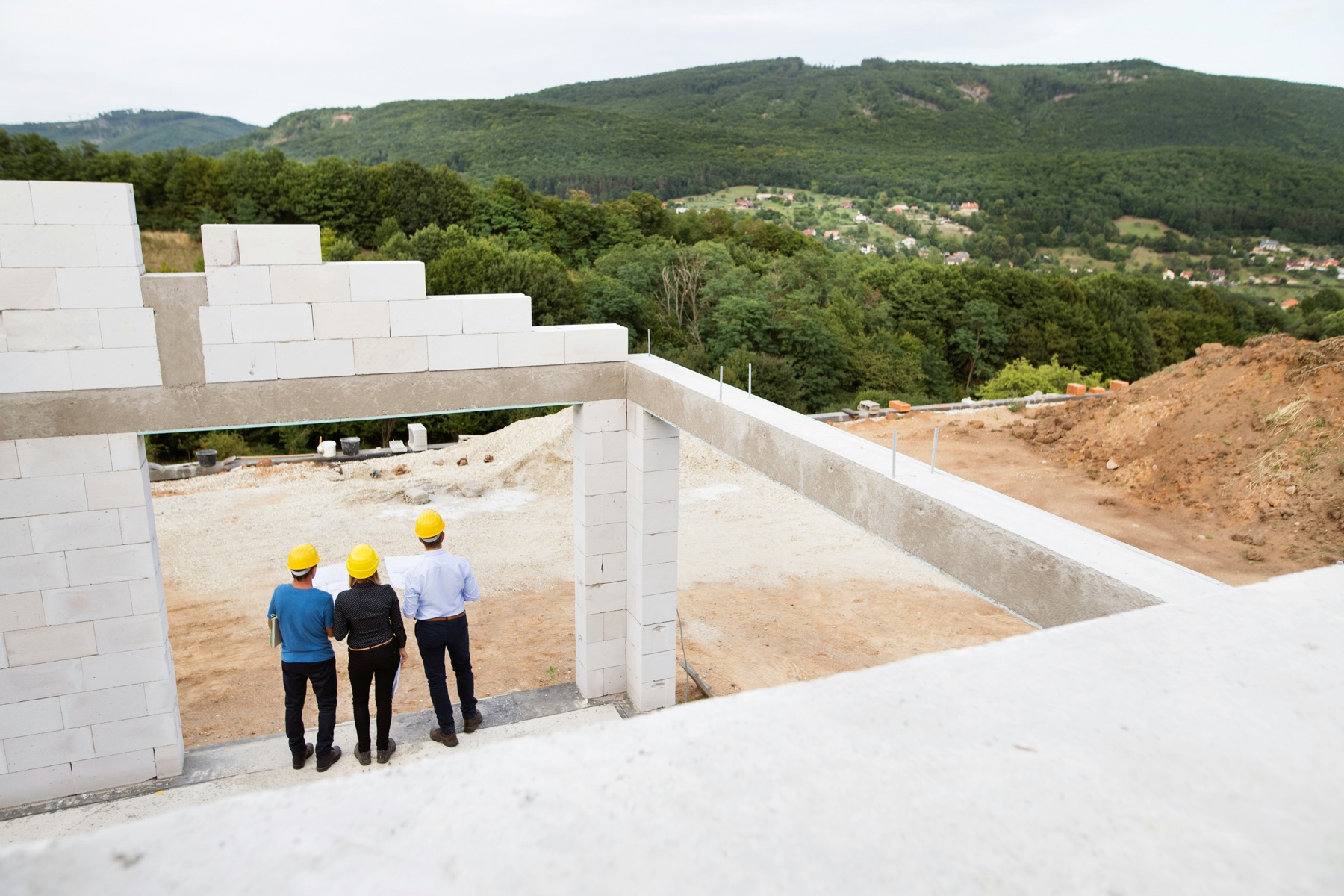
These aren't reference docs — they're the runbook
Our project directors keep these on their desks because they're the same documents we use to run a programme. The Embodied Carbon Methodology determines specs at brief stage. The 30-Day Audit Framework gates every rescue engagement. The Cost Trends report drives our risk register on every active tender.
If you'd like a working session with the authors — to apply the methodology to your project — that's what we mean when we say the resources are free.
Ask. We probably have it.
Lifecycle-cost templates, construction-stage carbon dashboards, supplier-code documentation, and a dozen other working tools live behind the scenes. If your team needs one, the press desk forwards the request to the relevant practice lead.